
AI sustainability analytics • carbon footprint (CO₂e) • operational optimisation
From data → impact → actions: estimate environmental impact with AI, pinpoint emission hotspots, and get prioritised operational improvements you can implement and measure.
No forms — just email info@bastelia.com with your industry, objective, and where your data lives (ERP/MES/WMS/IoT/Sheets). We’ll reply with a concrete next step.

- Build a credible baseline: estimate CO₂e and other environmental KPIs per unit (per product, order, shipment, or process).
- Find hotspots fast: identify the few drivers responsible for most impact (processes, sites, suppliers, routes, materials).
- Move from reporting to decisions: get a ranked list of improvements with CO₂e reduction, savings, effort, and risk.
- Run “what-if” scenarios: compare changes before you invest (energy mix, routing, batching, materials, packaging).
What it means to use AI to estimate environmental impact (and why it pays off)
Estimating environmental impact is not “just producing a number”. In real operations, impact measurement becomes valuable only when it answers two questions clearly:
- Where should we intervene first to reduce CO₂e, energy, waste, or transport emissions?
- What will change if we take action — and how do we prove improvement over time?
AI helps because it can connect heterogeneous data quickly (ERP, MES, WMS, procurement, invoices, utility bills, fleet data, IoT sensors, spreadsheets) and turn it into a traceable baseline. From there, AI can explain key drivers (“what matters most”), forecast the impact of operational decisions, and suggest improvements that are measurable in everyday KPIs — not only in annual sustainability reports.
Practical goal: impact per operational unit (e.g., kg CO₂e per product, kg CO₂e per shipment, kWh per order) + a prioritised list of actions ranked by reduction potential and business value.
In short: the best AI sustainability approach does both. It improves reporting readiness and creates an operational loop that keeps reducing emissions and cost month after month.
Carbon footprint basics: Scope 1, Scope 2, Scope 3 + CCF vs PCF
Most companies start with carbon footprint because it’s measurable, comparable, and increasingly required across supply chains. The key is understanding what you’re calculating — and why.
Scopes 1, 2, and 3 (the language most stakeholders use)
- Scope 1: direct emissions from sources you own/control (e.g., onsite fuel combustion, company vehicles, refrigerants).
- Scope 2: indirect emissions from purchased energy (electricity, steam, heating/cooling).
- Scope 3: value-chain emissions (suppliers, purchased goods/services, transport, business travel, use/end-of-life of products, etc.).
CCF vs PCF vs LCA (what you’re optimising)
Corporate Carbon Footprint (CCF) — emissions of the organisation over a period. Useful for governance, targets, and overall prioritisation.
Product Carbon Footprint (PCF) — emissions of a product/service across relevant lifecycle stages. Essential for material/process/packaging decisions and customer requirements.
Life Cycle Assessment (LCA) — a structured methodology to evaluate impacts across the lifecycle. In practice, many teams combine LCA discipline with AI speed to support decision-making.
Best practice: aim for credible, traceable numbers rather than false precision. You can start with what you have, then increase accuracy over time by improving activity-based data and supplier inputs.
How it works in practice: from raw data to operational recommendations
A strong project does not start with “which model do we use?”. It starts with scope, baseline, and KPIs — then builds a system that stays useful over time: updatable, traceable, and connected to decisions.
1) Define scope + the operational unit
Choose what you want to improve (CO₂e, energy cost, waste, transport emissions, resource intensity) and the unit that makes decisions measurable: per product, per order, per km, per shift, per batch, per site.
2) Connect data sources (without blocking teams)
Ingestion can be lightweight at first: exports, APIs, databases, invoices, utility bills, fleet logs, production reports, IoT streams. The key is clear mapping and quality checks — so assumptions are visible.
3) Compute a baseline + hotspot analysis
Build a baseline that shows where impact concentrates: energy, transport, materials, scrap, packaging, cooling, supplier categories, etc. Hotspot analysis turns “big data” into a few priority levers.
4) Predictive models + “what-if” scenarios
Forecast impact under changes in volume, product mix, shift patterns, routing, recipe/process settings, energy source, supplier choice, packaging. Compare trade-offs (CO₂e vs cost vs lead time vs quality) before implementation.
5) Action backlog (ranked, not generic)
The ideal output is a prioritised list of improvements with estimated CO₂e reduction, economic impact, effort, risk, and time-to-implement — plus an audit trail of assumptions and emission factors.
6) Monitoring + governance (so it keeps working)
AI is not “launch once”. You operate it: quality monitoring, drift checks, versioning, and clear owners for updates. This is where value compounds.
If you want this built as a production-ready system (integrated into your stack, not a demo), see AI Integration & Implementation.
Data you can use (even if it’s messy) + typical integrations
You do not need a perfect “ESG system” to start. You need to know where your data is, how reliable it is, and how to tie it to an operational unit. Most teams begin with a controlled scope, deliver a useful baseline, and then expand.
Common data sources (the ones that show up in real projects)
- Energy & utilities: electricity/gas bills, meter readings, load curves, peak demand, fuel usage, PUE (if relevant), cooling signals.
- Production & quality: volumes, cycle time, OEE, scrap/rework, recipes/BOM, machine parameters, downtime events.
- Logistics & distribution: shipments, routes, distance, mode (road/rail/sea/air), weights/volumes, fill rates, warehouse movements, “urgent” shipments.
- Procurement & suppliers: material quantities, supplier categories, invoices, supplier-provided footprint data (when available), packaging components.
- Waste & resources: waste streams, recycling, water usage, material yield, hazardous waste handling (where applicable).
- Finance context: energy cost, transport cost, scrap cost — useful to quantify the business value of abatement actions.
Integration options (keep it practical)
Fast start: scheduled exports (CSV/Excel), shared folders, invoice/utility-bill ingestion, basic mapping, first baseline.
Scale safely: APIs, database connectors, event streams, governed data models, automated quality checks, versioned emission factors.
Operational adoption: dashboards, alerts, and “reason codes” that explain why a recommendation exists.
If your biggest blocker is fragmented reporting and inconsistent metrics, improving the data foundation is often the highest-leverage move. See Data, BI & Analytics.
Operational improvements AI can suggest (examples you can recognise)
The most effective recommendations are the ones that reduce environmental impact while also improving operations: fewer surprises, fewer urgent shipments, better yield, less downtime, better planning. Below are common “action families” that translate well across industries.
Energy & facilities
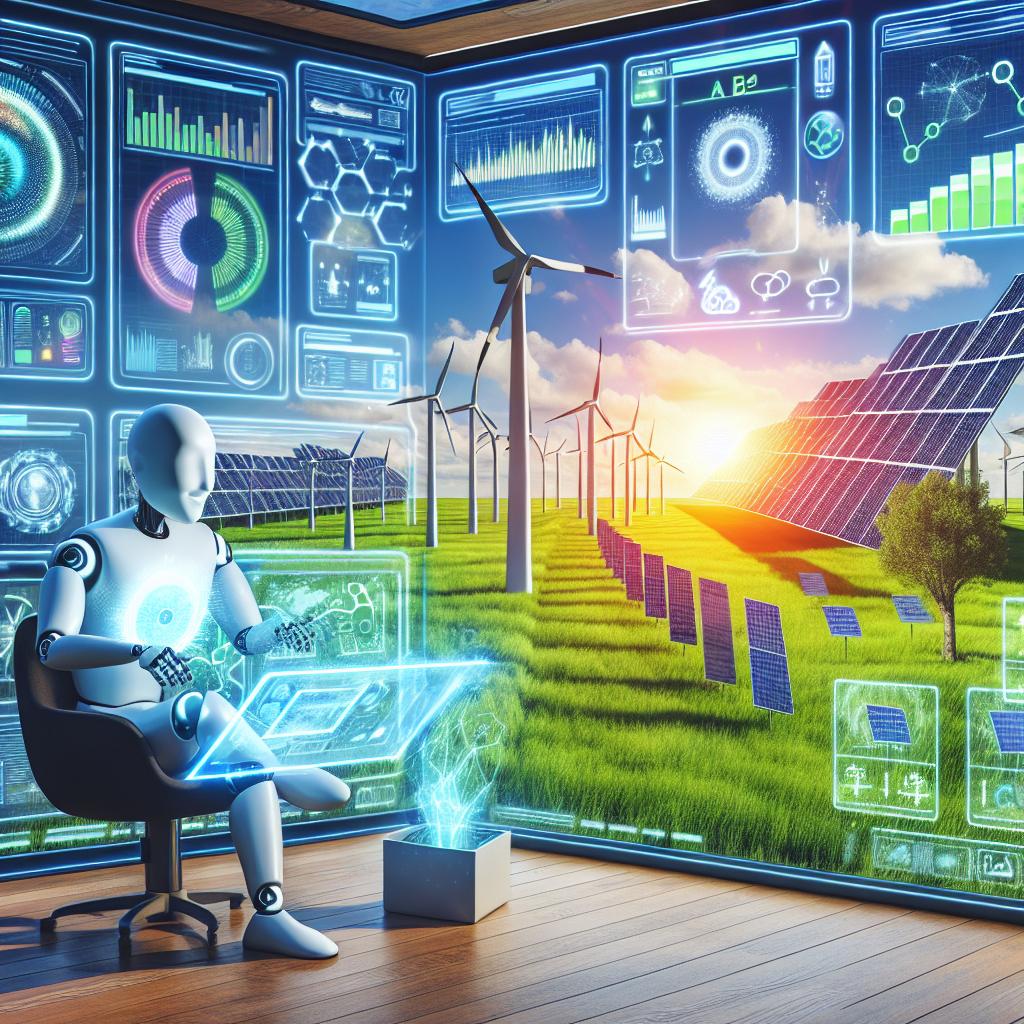
- Peak reduction: forecast load and shift energy-intensive tasks to lower-carbon or lower-cost periods (when feasible).
- Setpoint optimisation: optimise heating/cooling/air compression settings without harming quality or comfort.
- Anomaly detection: detect leaks, abnormal consumption patterns, and equipment inefficiencies early.
- Renewables planning: align demand with renewable availability and forecasted generation (where applicable).
Production yield, scrap, and quality
- Driver analysis: identify the main causes of scrap and rework (by line, shift, supplier batch, machine state).
- Process optimisation: recommend parameter ranges that reduce variability and waste while keeping quality constraints.
- Predictive maintenance: reduce unplanned stops that drive scrap, rework, and energy spikes.
- Batch/recipe planning: reduce changeovers and energy-heavy restarts by smarter sequencing.
Transport, routing, and warehouse operations
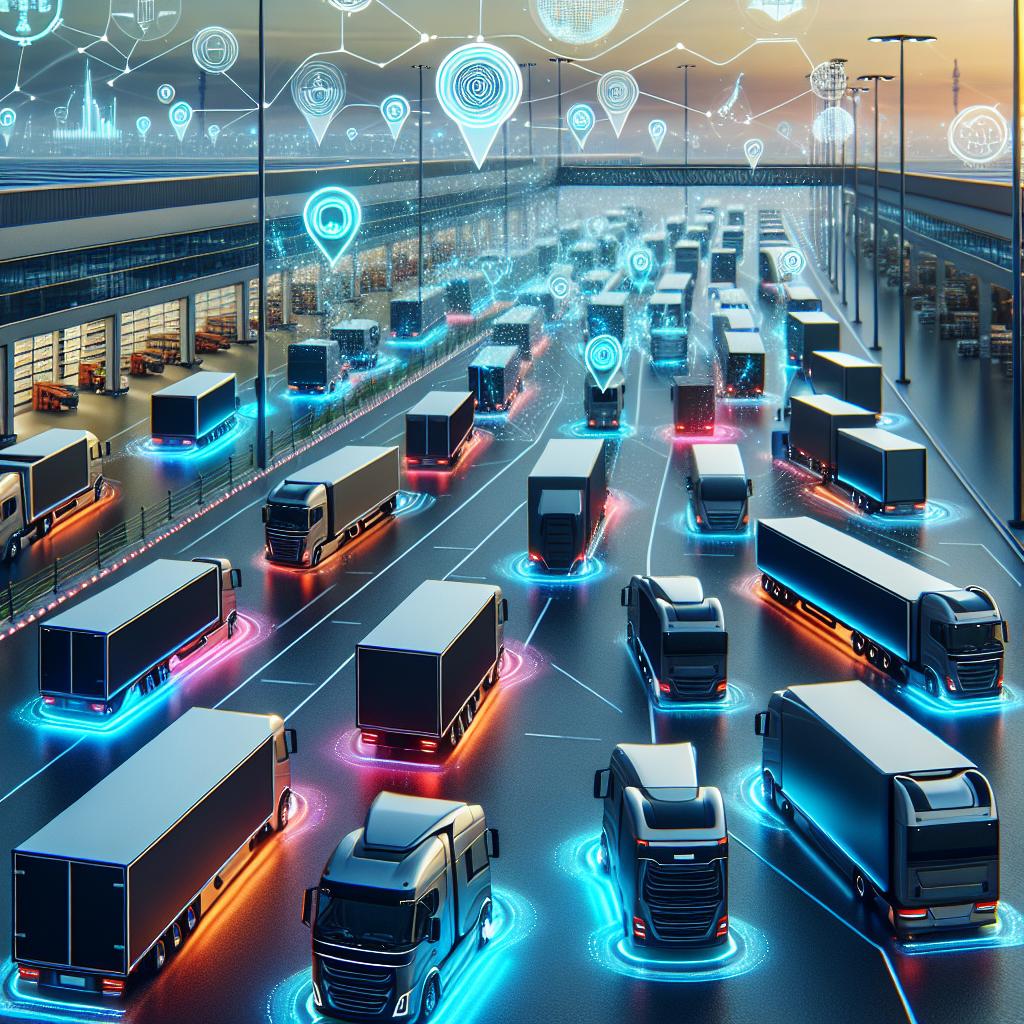
- Route optimisation: reduce empty kilometres, improve consolidation, and optimise pickup/delivery sequences.
- Mode selection trade-offs: compare road/rail/sea/air options with constraints on lead time and service.
- Less “urgent” shipping: demand forecasting + stock policy to reduce last-minute deliveries (a common emissions driver).
- Warehouse efficiency: reduce unnecessary movements and improve slotting to cut energy and time.
Materials, packaging, and suppliers
- Material substitutions: simulate footprint differences between alternative materials or specs (within quality constraints).
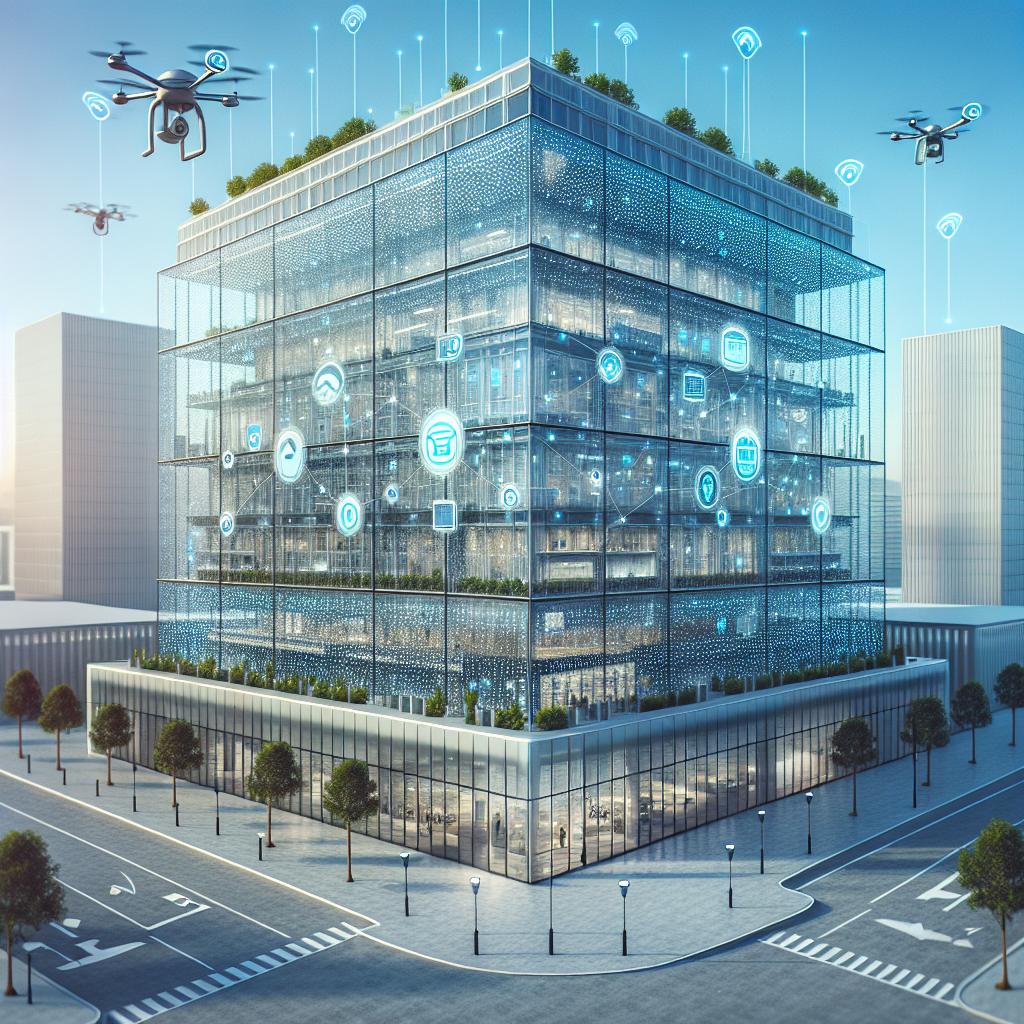
- Packaging optimisation: reduce material, improve cube utilisation, and cut shipping emissions.
- Supplier prioritisation: focus data requests and improvement efforts where it matters most (top footprint contributors).
- From spend-based to activity-based: improve accuracy over time by shifting from broad averages to real operational measures.
If your biggest levers are supply chain and fulfilment, you may also like: Operations & Logistics AI Solutions.
What you get: outputs & KPIs you can actually run the business with
A useful system is not a one-time report. It’s a decision layer that makes impact visible, comparable, and measurable over time — with traceability.
Core outputs
- Baseline + hotspot view: CO₂e (and relevant resource KPIs) by site, process, product line, route, supplier category — so priorities are obvious.
- Scenario planner: “what-if” simulations for energy settings, routing, supplier changes, packaging, batching, and production schedules.
- Action backlog: a ranked list of improvements with estimated CO₂e reduction, cost impact, effort, dependencies, and risk.
- Audit trail: versioned assumptions, emission factors, mappings, and data sources — so results remain consistent when things change.
KPIs that connect sustainability and operations
Impact intensity: kg CO₂e / unit, kg CO₂e / shipment, kWh / unit, waste kg / batch, water m³ / unit (as relevant).
Operational drivers: scrap %, rework %, downtime, fill rate, urgent-shipment rate, energy peaks, yield.
Business value: energy cost per unit, transport cost per shipment, scrap cost, cost avoided by anomalies prevented.
The KPI that makes everything easier: choose one operational unit first (per product/order/shipment) and build the baseline around it. That’s what turns “sustainability” into day-to-day decision-making.
Implementation roadmap: start small, prove value, then scale
The fastest path is a controlled scope: one site, one product family, one distribution region, or one process. Prove impact with KPIs, then expand.
Step A — Define scope, boundaries, and KPIs
Agree on what “success” looks like: baseline metrics, target reduction, operational constraints, and ownership.
Step B — Build the first baseline + hotspot analysis
Connect the minimum viable data sources, compute a traceable baseline, and identify the few hotspots that drive most impact.
Step C — Create the action backlog + scenario planner
Rank improvements by CO₂e reduction, savings, effort, and risk. Validate with “what-if” scenarios before execution.
Step D — Operationalise: dashboards, monitoring, governance
Put measurement on autopilot: refresh cycles, quality checks, versioning, and a routine for continuous improvement.
Want the shortest route to something that works in production and keeps working? Start from the delivery approach on AI Consulting & Implementation Services.
FAQs about AI environmental impact estimation
What’s the difference between corporate carbon footprint (CCF) and product carbon footprint (PCF)?
What data do we need to start if we don’t have a full ESG system?
How fast can we obtain a first baseline (CO₂e + hotspots)?
Does AI replace a traditional LCA?
How do you handle emission factors and traceability of assumptions?
Can we model scenarios like supplier changes, transport mode shifts, or energy mix improvements?
How do we start with Bastelia without losing months?
Note: This content is general informational guidance. For reporting, regulatory, or technical decisions, your organisation should validate boundaries, assumptions, and methodology for its specific context.
Want to know where to intervene first — and measure the result?
Email info@bastelia.com with three lines: your industry, objective (CO₂e/energy/waste/transport), and where your data lives (ERP/MES/WMS/IoT/Sheets). We’ll reply with the next most sensible step and what’s needed for a reliable baseline.