
Edge AI • Computer Vision • Quality Inspection
Instant visual inspection on the factory floor (without cloud delays)
Edge computer vision runs visual inspection where images are created—next to the camera—so you can detect defects immediately, trigger actions in real time, and keep a traceable quality record without sending every frame to the cloud.

What is edge computer vision in manufacturing inspection?
Edge computer vision means capturing images from industrial cameras and running the AI model locally (on a smart camera, an industrial PC, or a dedicated edge device). Instead of shipping high-resolution video to a remote server, the edge system produces a decision—pass, fail, classify, measure, count—right where the production happens.
The result is a practical shift: inspection becomes a live part of the process (inline), not a delayed report after the fact. For high-speed lines, that difference is everything.
Edge inspection is built for “act now” moments
If you need to reject a part, stop a station, reroute a unit, or alert an operator immediately, you need deterministic latency. That is what edge inference is designed for.
Cloud still matters (but not for every frame)
Many factories keep training, monitoring, reporting, and governance centralized—while running real-time inspection at the edge. This hybrid pattern reduces bandwidth and keeps decisions close to the line.
Why edge inspection beats cloud-only for factory quality
1) Low latency for inline inspection
When a conveyor is moving and an ejector must act in time, “wait for the cloud” is not a strategy. Edge vision keeps inspection fast enough to act at full production speed.
2) Autonomy when connectivity is limited
Factories have outages, network segmentation, and strict IT policies. Edge systems can keep inspecting even if connectivity is constrained—then sync results when appropriate.
3) Lower bandwidth and storage pressure
High-resolution video adds up quickly. With edge computer vision, you typically store what matters: anomalies, evidence frames, metrics, and audit trails—without pushing everything upstream.
4) Stronger control over sensitive production data
Keeping inference on-prem helps reduce exposure of proprietary product visuals and plant layouts, and makes it easier to implement strict access control and traceability policies.
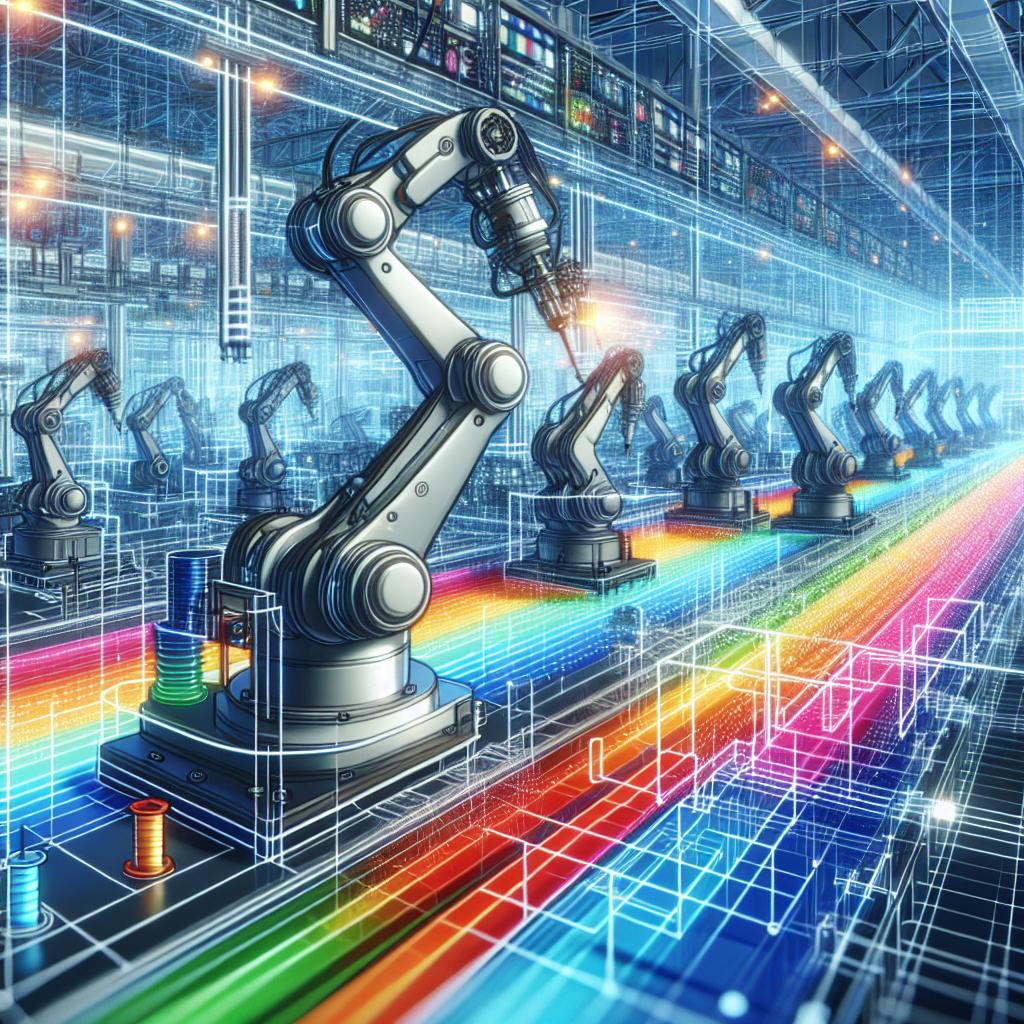
Best use cases for instant inspection
Edge computer vision is most valuable when the outcome is immediate and measurable. These are common high-impact inspection scenarios:
Surface & cosmetic defect detection
Scratches, dents, cracks, stains, porosity, coating defects, texture anomalies.
Assembly verification
Presence/absence, correct placement, connector orientation, missing screws, label placement.
Packaging integrity & labeling checks
Seal quality, cap/tamper evidence, correct SKU, barcode/QR presence, print legibility.
Dimensional and positional checks
Edge-based measurement (when the setup is stable), alignment, spacing, fit checks.
Process drift detection
Visual signals that quality is degrading (before the batch becomes scrap).
Evidence, traceability & audit trails
Store anomalies + metadata for root cause analysis, supplier claims, compliance.
Where instant inspection creates the biggest impact
The biggest wins usually come from reducing defect escapes (issues found by customers), minimizing false rejects (good product thrown away), and shortening the time from problem → containment.
How an edge vision inspection system works
A reliable inspection system is not only “a model”. It is a workflow that connects imaging, decisions, and actions to the factory systems that run production.
- Imaging setup Cameras + lenses + lighting define image quality. Good illumination and stable mounting reduce noise and make accuracy easier to achieve.
- Edge inference The model runs locally to output a decision (pass/fail, defect class, anomaly score, measurements), at a cadence that matches your line speed.
- Action layer The system triggers the appropriate response: reject gate, station stop, alarm, operator prompt, or rework routing—based on clear rules.
- Traceability & analytics Save the evidence that matters (anomalies, edge cases, summary metrics) with timestamps, batch IDs, and confidence so issues can be explained.
- Continuous improvement Monitor drift, review edge cases, add new examples, and update the model safely—without breaking production.
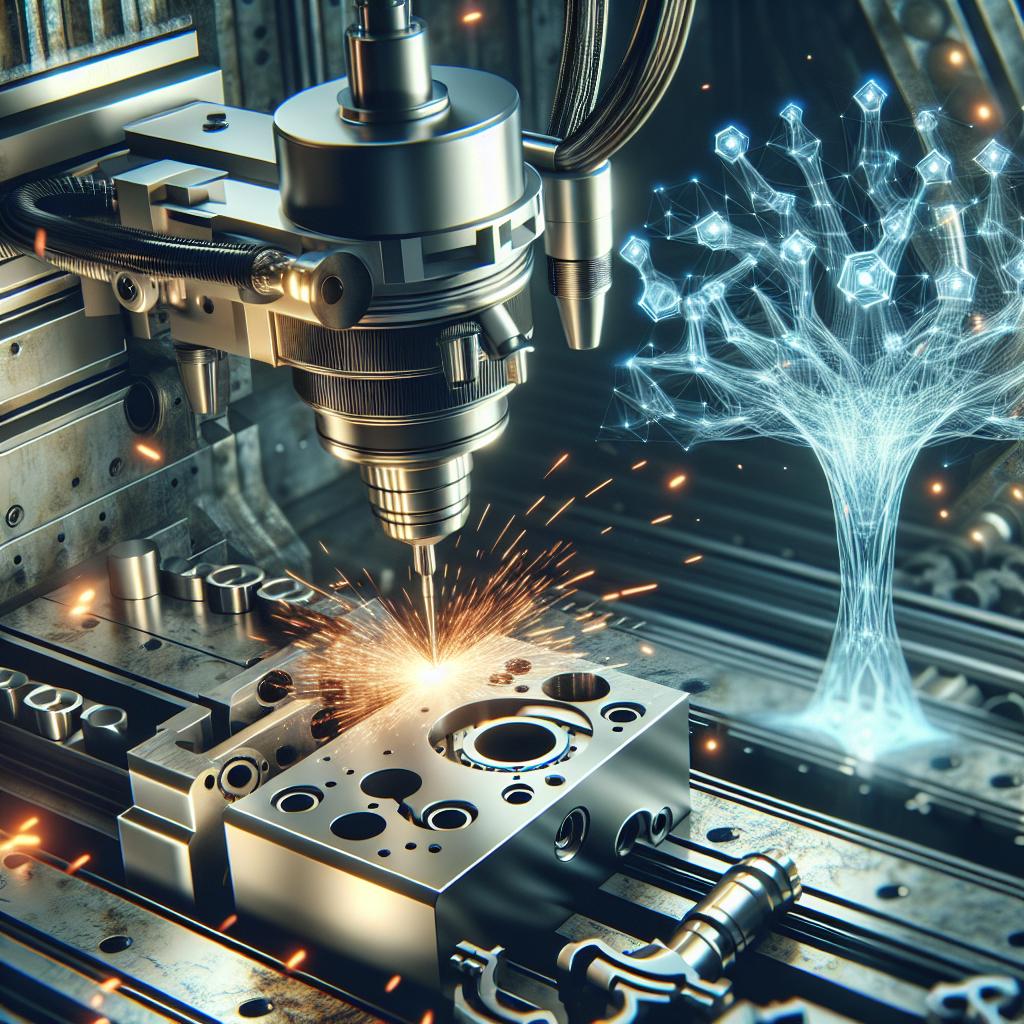
Model choices: anomaly detection vs defect detection
The best-performing systems match the model approach to the reality of your defects, data availability, and operational goals. In industrial computer vision, these patterns are common:
Anomaly detection
Best when defects are rare, unknown, or constantly changing. The model learns what “good” looks like and flags meaningful deviations.
- Works well when you have limited “bad” examples
- Excellent for early drift signals
- Requires strong process definition of “acceptable” variation
Defect detection / classification
Best when defect types are known and you want explicit defect labels (e.g., “scratch”, “missing screw”, “wrong label”).
- Clear reporting and action rules by defect class
- Usually needs representative defect examples
- Great for standard, repeatable issues
Segmentation (pixel-level)
Best when the shape/size of the defect matters or when precision localization is required.
- Supports detailed measurement and reporting
- Often more labeling effort than other approaches
Practical rule
If your goal is to stop or reject instantly, define the decision boundary first: what is acceptable, what is rework, and what is scrap—and what false reject rate your line can tolerate.
What to measure (KPIs) so ROI is visible
Edge computer vision projects succeed when performance is measured like an operations system—not like a demo. These KPIs keep the program grounded:
- Escape rate: defects found after shipping (the most expensive kind).
- False rejects: good units rejected (direct scrap + rework cost).
- Scrap and rework rate: both total and by defect type / station.
- Time-to-containment: how quickly the plant detects and isolates a quality drift.
- Downtime impact: stops avoided or reduced by early detection and smarter routing.
- Traceability completeness: evidence quality (images/metadata) for audits and root cause.
- Model stability: drift signals, edge-case volume, and review workload over time.

Implementation roadmap (low-risk, production-ready)
A successful rollout is usually iterative. The goal is to prove value on one station, integrate it properly, then scale with repeatable patterns.
- Define the inspection objective Specify defect definitions, acceptable variation, line speed constraints, action rules, and what “success” means (KPIs + thresholds).
- Build the data foundation Collect representative images (good + bad where possible), cover real-world variation (shifts, suppliers, lighting), and label consistently.
- Offline evaluation (before touching production) Validate precision/recall trade-offs, false reject targets, and edge cases with a test set that reflects your real line.
- Edge deployment + integration Deploy the model on the chosen edge hardware and connect decisions to your action layer (reject, stop, alarm) with logging and safe fallbacks.
- Pilot in production (controlled) Start in “shadow mode” if needed, then move to active decisions once stability is proven. Track KPIs daily and review exceptions.
- Scale with governance Standardize deployments across stations: monitoring, retraining workflow, access control, documentation, and clear ownership for ongoing performance.
Fast next step (no forms)
Email info@bastelia.com with:
- Your product and defect types (what “bad” looks like)
- Line speed + where you would place cameras
- Current inspection method (manual, rule-based, sampling)
- What action you need (reject gate, stop, alert, rework routing)
- Systems involved (PLC/MES/SCADA/QMS) and any IT constraints
Pilot checklist (what to prepare)
If you want an edge inspection pilot to reach production quickly, these inputs reduce surprises:
Process clarity
- Defect taxonomy and severity (scrap vs rework)
- Sampling rules (if any) and target for 100% inspection
- Operator workflow when a defect is detected
Imaging constraints
- Lighting consistency across shifts
- Camera placement, vibration, and field of view
- Product variation (suppliers, finishes, materials)
Integration & actions
- Where to send decisions (PLC/MES/QMS)
- Reject/stop logic and safe fallback behavior
- Traceability fields (batch ID, timestamp, station, operator)
Operations & governance
- Who reviews edge cases and how often
- Update/testing routine for model changes
- Access control, logs, and retention policies
FAQs about edge computer vision for instant inspection
Do we need the cloud to run visual inspection?
No. Inference can run fully on-prem at the edge. Many teams still use centralized infrastructure for model training, reporting, and controlled updates—but the real-time decision does not need a cloud round-trip.
What’s the difference between edge computer vision and traditional machine vision?
Traditional machine vision often relies on rule-based thresholds and engineered features. Edge computer vision usually refers to AI-driven visual inspection (deep learning models) running locally so it can handle higher variability and make decisions fast enough for inline control.
Which defects are best suited for AI visual inspection?
AI is especially strong for complex textures, cosmetic defects, and cases where “acceptable variation” exists. For stable measurement tasks, classical vision can still be excellent. Many production systems combine both.
Do we need thousands of defect images?
Not always. The right approach depends on defect rarity and variability. For rare or unknown defects, anomaly detection can reduce the need for large sets of labeled “bad” examples. For explicit defect classification, more labeled examples typically improve reliability.
How do you prevent false rejects from disrupting production?
You define the operating point with the business: the acceptable trade-off between catching more defects and rejecting good parts. Then you test under real line conditions, use a controlled rollout (shadow mode if needed), and implement review + exception routines.
Can edge inspection integrate with PLC/MES/SCADA?
Yes. The most valuable systems connect decisions to actions and traceability. Integration typically includes decision outputs, timestamps, station identifiers, and evidence storage—so operations can react and quality teams can investigate.
What about cybersecurity and data privacy?
Edge inference can reduce exposure because sensitive images don’t need to leave the plant. A production-grade setup still needs identity and permissions, logging, retention rules, network segmentation, and a controlled update process.
What is the fastest way to start?
Start with one inspection point where value is obvious: high volume, costly escapes, or frequent manual checks. Define KPIs, collect representative data, validate offline, then pilot with clear acceptance criteria. If you want a fast scope proposal, email info@bastelia.com.
Explore relevant Bastelia services
If you want edge computer vision to work in real operations, the difference is integration + measurement + governance. These pages expand the practical delivery approach:
- AI Integration & Implementation Connect AI to real workflows with secure access, monitoring, and production-ready architecture.
- Operations & Logistics AI Solutions Use AI to improve execution: fewer exceptions, faster decisions, and measurable operational KPIs.
- AI Consulting & Implementation Services End-to-end delivery: measurable outcomes, reliable systems, and online execution designed to reach production.
- AI Automations Automate repeatable workflows with validation, exception handling, and KPI tracking.
- Data, BI & Analytics Build reliable metrics and dashboards so quality and operations decisions are based on trusted data.
- AI Service Packages & Pricing Clear entry options for diagnostics, pilots, rollouts, and ongoing optimization.